- Crossroads Auto Repair
- Auto Repair
The Role of the Alternator in Your Car’s Electrical System
When was the last time you thought about your car’s alternator? If you’re like most drivers, it’s probably not something that crosses your mind often. Yet, the alternator is a crucial component of your vehicle’s electrical system, ensuring everything from your headlights to your radio operates correctly.
In this post, we’ll explore the role of the alternator, its importance, how to identify alternator problems, and what to do if you need alternator repair. Let’s dive in to keep your car running smoothly!
What is an Car Alternator?
The alternator is a small but mighty part of your car’s engine. It’s responsible for converting mechanical energy into electrical energy, which powers your car’s electrical systems and charges the battery. Imagine driving at night without functioning headlights or trying to roll down a window without power; the alternator makes these everyday actions possible.
How Does It Work?
An alternator works through a process called electromagnetic induction. When the engine runs, it turns a belt connected to the alternator pulley. This movement spins a rotor inside the alternator, which creates an electromagnetic field. This field induces an electrical current in the windings of the alternator, producing the electricity your car needs. This intricate process is like a mini power plant under your hood, seamlessly converting motion into power.
Key Components of an Alternator
– Rotor and Stator: These are the primary components that generate electricity. Think of them as the heart and lungs of the alternator, constantly in motion to keep your car alive.
– Voltage Regulator: Ensures the correct voltage is sent to the battery and electrical system. It’s like the gatekeeper, maintaining harmony in your car’s electrical symphony.
– Diode Rectifier: Converts the AC current produced into DC current, which is usable by the car. Without it, your car would be running on power it can’t use.
Why Your Car Needs an Alternator
Cars rely heavily on electrical systems. From starting the engine to running the air conditioning, the alternator’s role is indispensable. Consider the alternator as your car’s lifeline, ensuring every electrical function is supported.
Supporting the Vehicle’s Electrical Systems
The alternator powers all electrical components in the car. This includes the lights, radio, power windows, and more. Without it, these systems would rely solely on the battery, which would quickly drain. Picture your daily commute suddenly devoid of music or navigation, simply because the alternator failed to keep up.
Charging the Battery
While the battery is essential for starting your car, the alternator keeps it charged. It replenishes the battery’s energy as you drive, ensuring it has enough power to start your car the next time. A dead battery can leave you stranded, so maintaining a healthy alternator is crucial.
Signs of Alternator Problems
Recognizing alternator problems early can save you from being stranded on the road. Knowing the warning signs helps you address issues before they escalate.
Dimming Lights
One of the first signs of a failing alternator is dim or flickering headlights. The alternator may not be supplying enough power, causing lights to lose brightness. Imagine driving home late at night when suddenly your headlights begin to fade; this is a clear indicator that your alternator might be in trouble.
Warning Light on the Dashboard
Most cars have a warning light shaped like a battery or labeled “ALT” or “GEN.” If this light comes on, it could indicate an alternator issue. Think of this light as your car’s way of sending an SOS – it’s time to investigate further.
Strange Noises
A failing alternator can produce a variety of noises, including grinding or whining sounds. These noises often result from worn-out bearings or other internal components. If you start hearing unusual sounds from your engine bay, it’s a good reason to check your alternator.
Addressing Alternator Repair
If you suspect alternator issues, it’s crucial to address them promptly. Ignoring them can lead to more severe problems and costly repairs. For instance, replacing an alternator can range from $300 to $500, depending on your vehicle’s make and model.
DIY Checks
Before heading to the repair shop, you can perform a few checks yourself. Look for loose connections or frayed wires. Also, ensure the drive belt is tight and in good condition. Regular inspections can prevent small issues from becoming expensive repairs.
Professional Repair Services
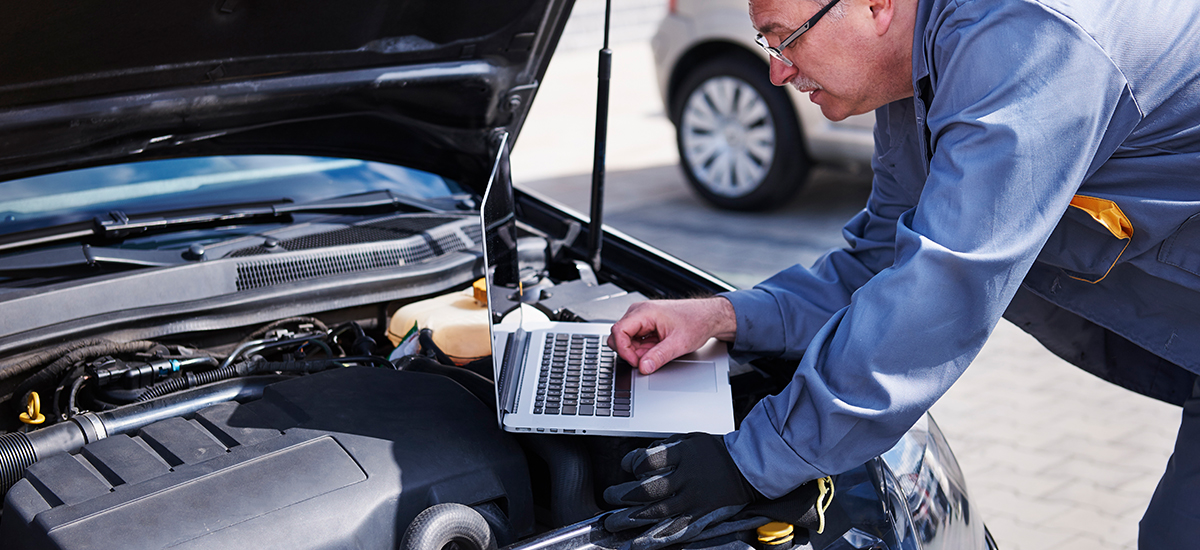
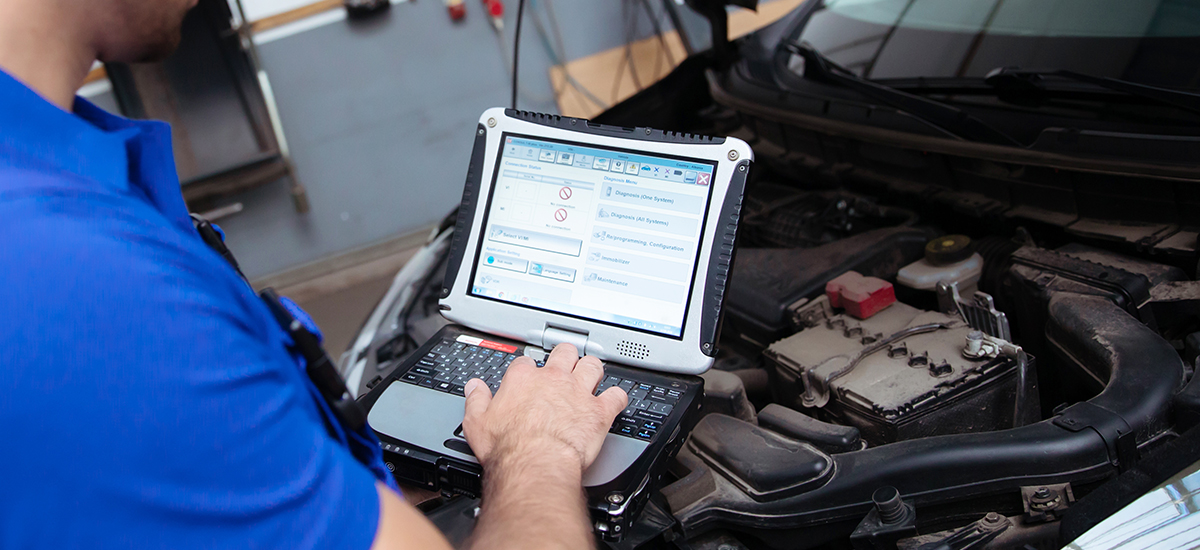
For most alternator problems, professional help is recommended. An experienced mechanic can diagnose the issue accurately and perform necessary repairs or replacements. Crossroads Auto Repair in Jacksonville, FL, is ready to assist with any alternator repair needs. Their expertise can save you time and money by addressing the root cause of the problem.
The Impact of a Faulty Alternator on the Charging System
A faulty alternator can lead to broader charging system issues, affecting your car’s overall performance.
Battery Drainage
Without a functioning alternator, your car’s battery will drain quickly. You might find yourself unable to start the car or experience frequent breakdowns. Prevent this by regularly checking your alternator’s performance, especially before long trips.
Electrical Failures
The alternator’s failure can cause various electrical components to malfunction. This might include failing power windows, erratic dashboard lights, or a non-functional radio. Such issues can be frustrating and inconvenient, especially during daily commutes.
Seasonal Tips for Alternator Maintenance
Keeping your alternator in good shape year-round involves a few seasonal considerations.
Summer Heat
High temperatures can put extra strain on your car’s electrical system. Ensure your alternator is inspected before the summer months to prevent overheating issues. Regular checks can help you avoid unexpected breakdowns during family road trips.
Winter Cold
Cold weather can also affect your alternator’s performance. Check the drive belt for wear and ensure the battery is adequately charged to handle the extra load of heating systems. Winterizing your car can prevent cold-related failures that leave you stranded in harsh conditions.
Ensuring Longevity of Your Alternator
To extend the life of your alternator, regular maintenance is key.
Routine Inspections
Have your alternator checked during regular car maintenance appointments. This can help catch potential issues early, preventing major failures. Regular maintenance is not just a cost, but an investment in your vehicle’s reliability.
Clean Connections
Ensure all electrical connections to the alternator are clean and secure. Corrosion can impede electrical flow, causing charging system issues. Simple cleaning can prevent these common problems, saving you from costly repairs.
Pay Attention to Warning Signs
Don’t ignore any signs of alternator problems. Addressing them promptly can save you from more significant issues down the road. Stay proactive, and your car will thank you with reliable performance.
Your car’s alternator is a small but essential component of your vehicle’s electrical system. Understanding its role and knowing how to spot problems can keep your car running smoothly. If you’re experiencing any issues with your alternator or need an inspection, reach out to the experts at Crossroads Auto Repair in Jacksonville, FL.
Our skilled professionals are ready to assist you with all your alternator repair and maintenance needs. Don’t wait until it’s too late; ensure your car’s electrical system is in top shape today!